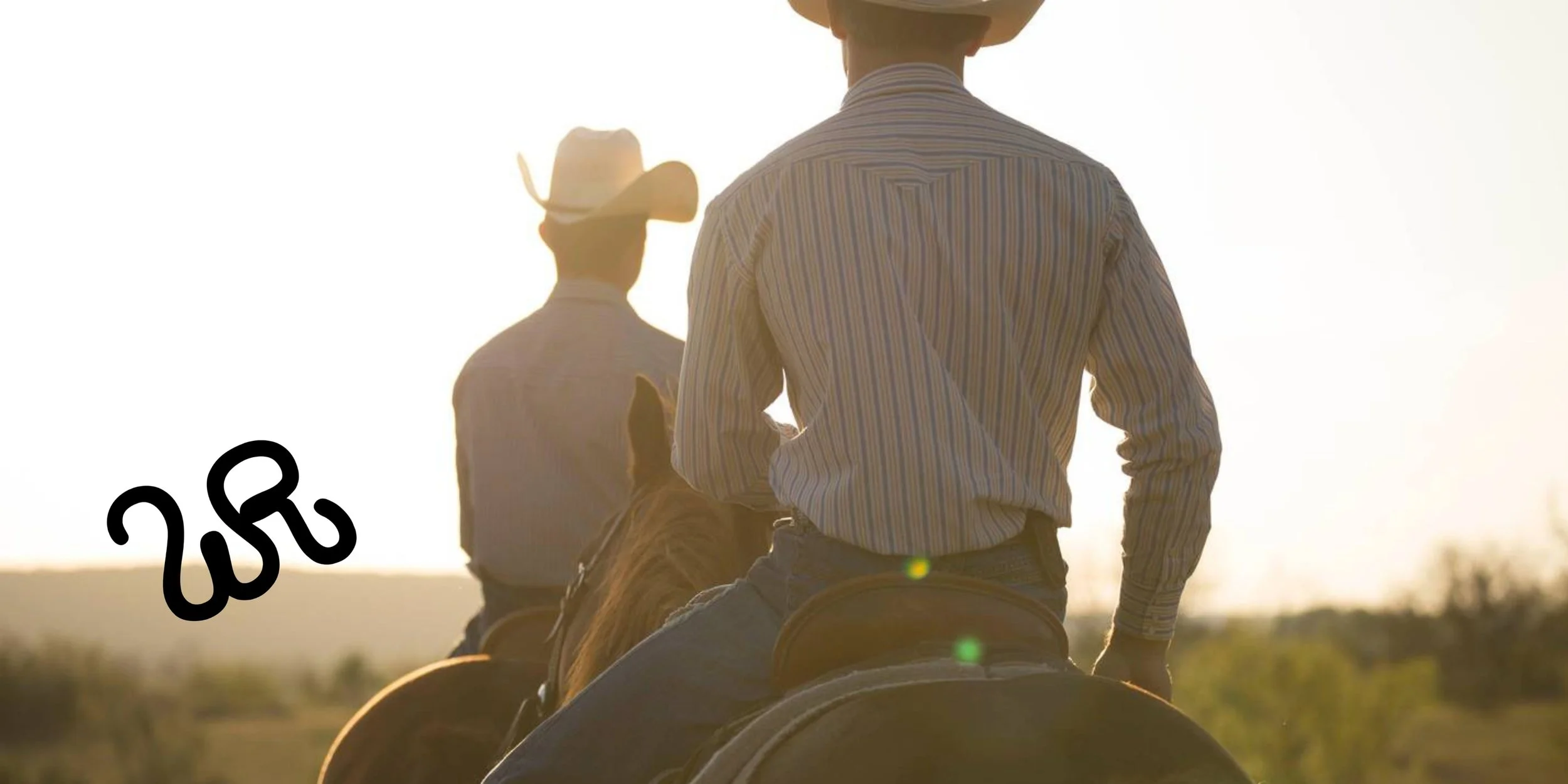
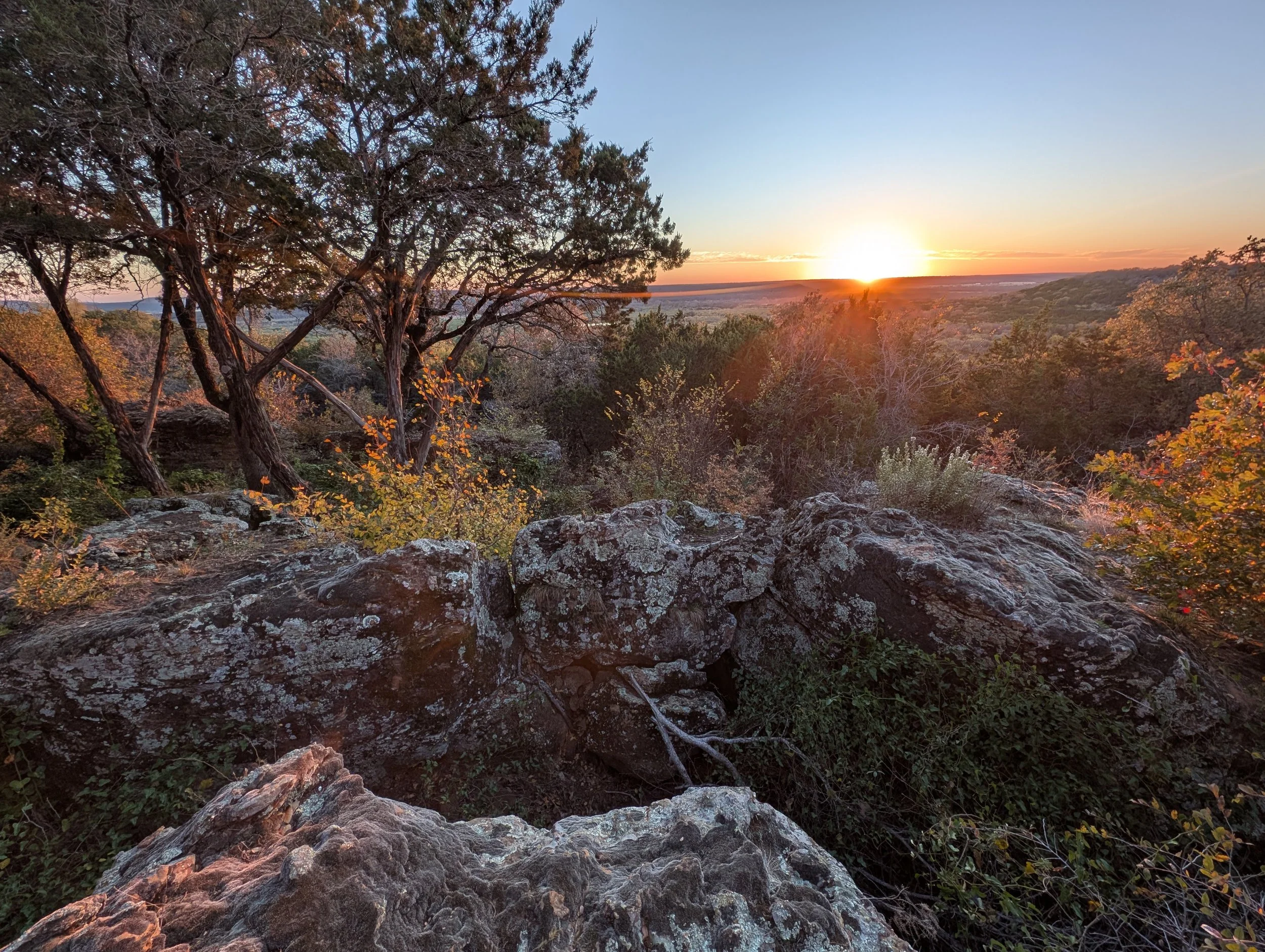
Just ninety minutes from DFW International Airport and right around the corner from Possum Kingdom Lake, experience Wildcatter Ranch and Resort. A unique escape from the city, Wildcatter Ranch is located in the heart of the beautiful North Texas Hill Country. With nature and history surrounding the ranch, experience a one-of-a-kind stay with upscale western accommodations, guided activities with local Texas cowboys, and enjoy hand-cut mesquite grilled steaks at Wildcatter Steakhouse. Whether you are looking for a romantic getaway, family vacation, conference or wedding venue, Wildcatter Ranch is an unforgettable destination.
Wildcatter Ranch: Interactive Trail Guide
Trail Guide
Page 1 of 11
Scavenger Progress0% (0 / 31 found)
Welcome to the Ridge!
Welcome to Wildcatter Ranch & Resort, perched high on the south side of Graham, Texas! You are standing on top of a massive, ancient rocky hill overlooking the beautiful Brazos River Valley.
Our trails are filled with surprises. As you hike, you will transition through three distinct landscapes:
The Rocky Slope: Rugged limestone paths covered in beautiful sandstone boulders.
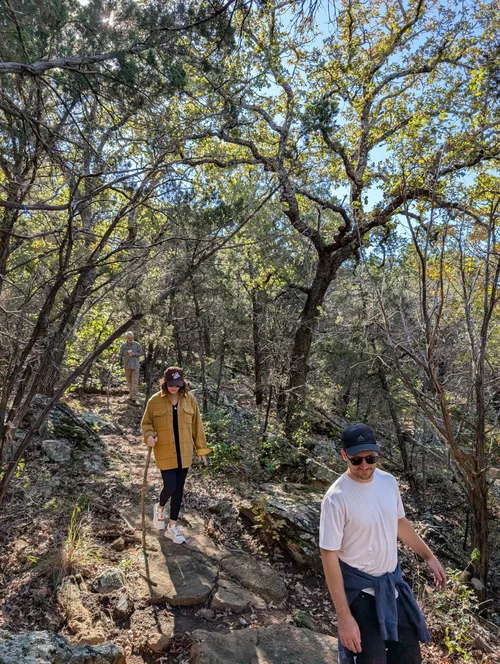
The Covered Canopy: Dense, shady stands of historic oak and cedar trees.
The Surprise Prairie: Open pockets of native Texas tallgrass prairie hiding right in the middle of the woods.
The Hiker's Safety Pledge
Agree to the pledge to unlock the rest of your hiking book!
Bird Watcher's Canopy
Look down along the paths and up into the skies! Check off the incredible ranch birds you spot:
How to spot: Look all over the ranch! You'll see them streaking down dirt roads or paths on foot. They are tan and dark brown with a prominent shaggy head crest and long tail.
Fun Fact: These speedy birds are members of the cuckoo family and can run up to 20 miles per hour while hunting lizards and crickets!
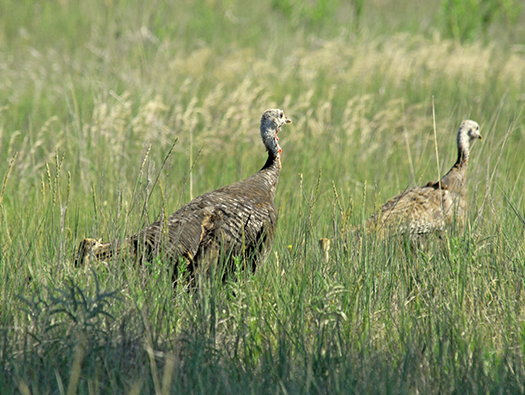
How to spot: Large, heavy-bodied birds with dark, iridescent bronzed feathers. Often spotted roaming in groups near our wooded edges, clearings, and **grazing peacefully inside our longhorn pasture**.
Conservation Win: Seeing wild turkeys at Wildcatter is a true testament to successful Texas land conservation and habitat restoration!
How to spot: Breeding males look like a box of crayons—vivid blue head, green back, red chest. Females are solid kelly-green.
Habitat: Brushy edges of our native prairies during summer nesting.
How to spot: Males are bright, fiery red with a sharp head crest. Females are warm brown with red accents.
Habitat: Dense, protective branches of our cedar trees.
How to spot: Large bird soaring in wide circles above rocky cliffs. Look for broad wings and a distinct brick-red tail as they ride canyon thermals.
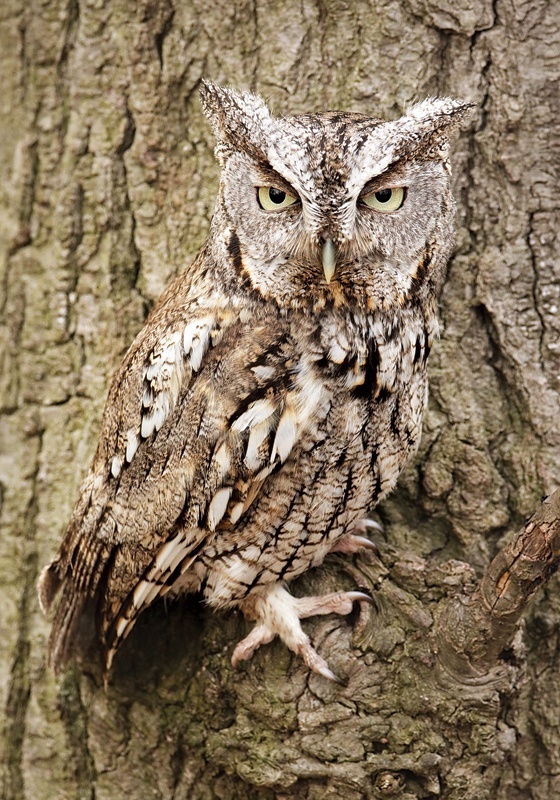
How to spot: Look closely at the oak tree structures near the **Main Steakhouse Patio**! This tiny, highly camouflaged owl is a frequent guest during dinner service.
Fun Fact: Instead of traditional hoots, they make a gentle whinnying call that sounds like a miniature horse!
How to spot: Scan the high skies above the Brazos River Valley. These massive raptors nest directly along our riverbanks and frequently soar overhead while guests are out on trail rides!
Spotter Tip: Adult eagles are unmistakable with their brilliant white heads, tails, and enormous 7-foot wingspans.
Reptile Registry
THE GOLDEN RULE
If you see a snake, FREEZE! Take three big steps backward. Never touch, kick, or try to move a snake.
🤠 Harmless Heroes (Pest Control!)
Super fast, slender snake. Often seen with its head high in the air, taking a look around. Body in the shape of a long whip with a very long, skinny body.
Excellent climbers! Yellow-tan with dark splotches. **If you see a large snake at Wildcatter, there is a 99% chance it is a harmless rat snake!**
⚠️ VENOMOUS Residents - who we value but respect with distance
Gray-brown diamond patterns, white-and-black striped tail, and a rattle at the end. **Please note: rattlesnakes are highly unlikely to be encountered on our active hiking trails, but keep your eyes open in the grassy areas and open pastures.**
Distinctive hourglass or **"hershey kisses" type pattern** of coppery-orange and light tan. **They are always found in leaf litter, so watch for them around the cabins and anywhere with dead leaves. Because they love to eat June bugs, they often venture out at night near outdoor lights to hunt them!**
Wildlife Track Hunt
Mammals at the ranch are quiet and clever. Look for their distinct tracks in muddy sand or soft clay!
Track: Small hand-like prints near creek banks.
Fun Fact: They wash paws to help them "see" food through touch.
Track: Small dog-like prints with NO claw marks.
Fun Fact: Secretive cats nesting in deep rocky ledges.
Track: Thumb-like opposing toe pointing backward.
Fun Fact: North America's only marsupial. Eats 5,000 ticks a season! **This is why we love them!**
Track: Small clawed prints and cone-shaped dig marks in dirt. **Skunks will often be seen at night at Wildcatter hunting for moths and bugs on the ground!**
Track: Distinctive three-toed look with sharp claw prints and a dragging tail line in soft dirt.
Fun Fact: Armed with a protective bony shell, they dig incessantly for grubs and ants, often rustling loudly in leaves.
The Scat Detective 🔍
⚠️ DETECTIVE WARNING
Never touch scat with bare hands. Use a twig to examine it safely, or simply inspect with your eyes!
How to spot: Often nicknamed 'bobyote' scat by rangers because these two small-to-midsize predators eat highly similar prey, leaving droppings that look almost identical! Look for twisted or segmented, blunt ends containing animal fur and bone shards.
Clue: Deposited prominently right in the middle of paths or junctions to mark active territory boundaries.
Appearance: Densely packed, highly segmented chunks with blunt, clean-cut ends. Usually very dark brown or black when fresh.
Clue: Unlike coyotes, bobcats will often scrape dirt, leaves, or sand over their deposits, leaving distinct claw scrapes nearby.
Appearance: Tubular and dark, consistently filled with whole berry seeds and insect wings.
Clue: Found on flat rock tops where family groups share latrines.
Watch Your Step!
⚠️ Leaves of Three, Let Them Be!
Some wild plants defend themselves with chemical oils. Keep ankles covered!
Identify: Vine with three leaflets. Middle leaf has a longer neck. Glossy green leaves that turn red in the fall.
Defense: Oils cause an extremely itchy skin rash.
Identify: Shrub with leaves shaped like miniature oak leaves with distinct lobes.
Defense: Do not touch! Wash boots thoroughly with soap after hiking.
Forest Floor & Boulders
Take a close look at our sandstone and limestone boulders. They are living ecosystems!
Look for: Soft green cushions in shady, north-facing rock crevices.
Benefit: Absorbs rainwater to house tiny forest insects.
Benefit: A symbiotic partnership slowly breaking rock down to soil.
Look for: Sturdy trunks with thick leaves shaped like a cross.
Benefit: Deep roots protect our sliding rocky hillsides from erosion.
Identify: Shrubby evergreen trees with scale-like green needles and dusty blue "berries" (actually soft seed cones!).
Ranch Legacy: highly rot-resistant, these trees are harvested to build durable, long-lasting fence posts as you see at the longhorn pasture.
The Surprise Prairie
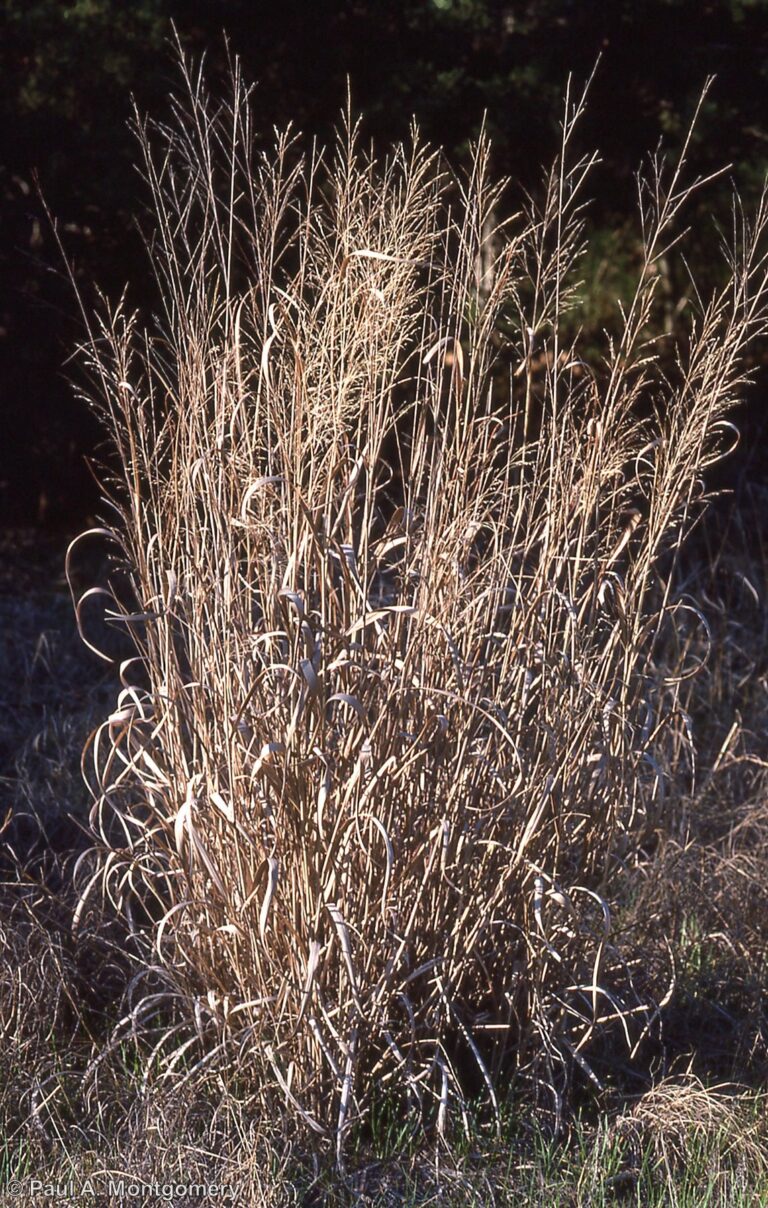
Spot these resilient prairie grasses in our open trail clearings:
Identify: Blue-green clumps in summer turning a glowing rust-red in winter with fluffy seed heads.
Value: Massive roots hold water deep in the ground during droughts.
Identify: Giant, feathery plumes growing in wet, low trail dips where water pools.
Value: Fluffy plumes provide winter shelter for nesting birds like quail.
Identify: The official State Grass of Texas! It features small, oat-like seed spikes hanging gracefully from one side of its thin, red-tinted stems.
Value: Highly nutritious native forage that holds soil tightly on rocky slopes.
Identify: A tall, robust bunchgrass with delicate, airy seed heads that look like purple-pink mist in late summer. It loves moist soils.
Value: Incredible nesting habitat and one of the deepest root systems of all prairie plants.
Bugs on the Trail
Keep your eyes close to the ground! Check off these vital insects and spiders of Young County:
How to spot: Look for large circular cleared spaces on the soil with a small mound of pebbles. These medium-to-large reddish-brown ants gather seeds to store underground.
Ranger Wisdom: These ants are the vital primary food source for the iconic, endangered Texas Horned Lizard (Horned Toad)! They are docile, non-aggressive, and highly unlikely to sting if left alone.
How to spot: Often spotted crossing hiking trails and dirt roads during summer and fall evenings. They are large, stocky, dark brown, and covered in fine sensory hairs.
Fun Fact: Despite their intimidating look, they are gentle, shy giants of the Texas brush. They feed heavily on harmful agricultural pests and are harmless to humans!
My Field Notes & Sketches
Use your finger or mouse to draw a track, leaf, or bug you found below, or type your field notes!
Approved
🤠
OFFICIAL TRAIL RANGER
Wildcatter Ranch & Resort
"This certifies that our young explorer successfully completed the scavenger hunt, identified native fauna, mastered snake safety, and agreed to preserve the wild trails of Young County."
Date:
Ranger Badge Locked
You must check off at least 13 items along the trail guide to unlock your official Trail Ranger Certificate!
Welcome back to the ranch house! Show your checkoffs to our front desk team to confirm your adventure!